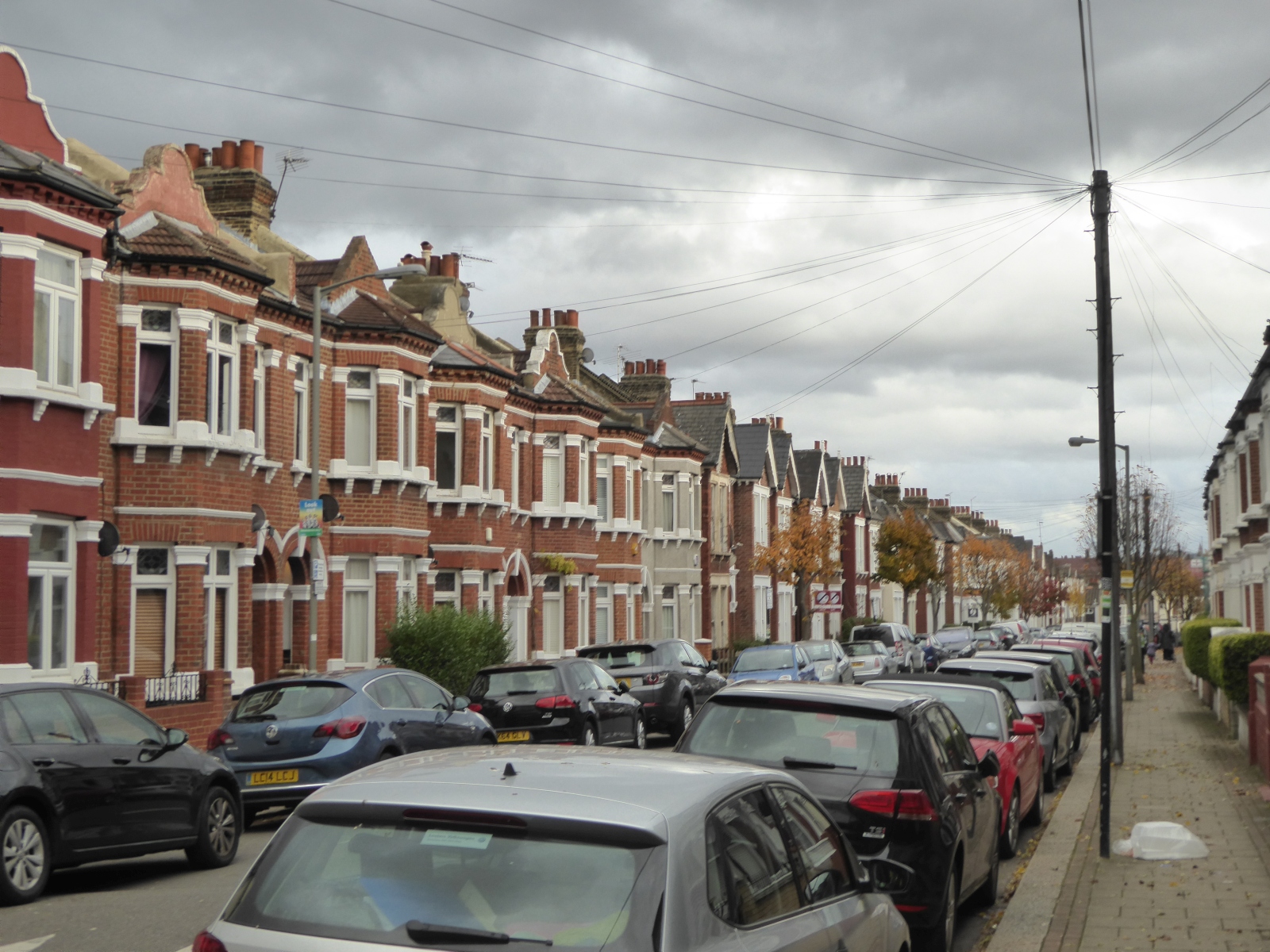
The short version: the average London home cost about £554,000 in August 2026, down 2.2% on a year earlier, according to the official UK House Price Index. London is the only English region where prices are falling. The fall is concentrated in flats and in prime central boroughs, while several outer boroughs are at record highs. Rents, meanwhile, are still rising.
Here are the latest figures, borough by borough, with what’s behind them and what last week’s Budget changes for buyers. All numbers come from the Office for National Statistics, HM Land Registry and Nationwide, cross-checked against a second report of each release.
London house prices at a glance
| Measure | Latest figure | Period |
|---|---|---|
| Average London house price | About £554,000 | August 2026 |
| Annual change in London | Down 2.2% | Year to August 2026 |
| London flats and maisonettes | Down 5.0% | Year to August 2026 |
| First-time buyer average in London | £473,051, down 2.4% a year | August 2026 |
| Average England house price | £294,000, up 0.4% a year | August 2026 |
| Average UK house price (Nationwide) | £273,566, up 0.5% a year | October 2026 |
| Average London rent | £2,332 a month, up 3.5% a year | August 2026 |
Why London prices are falling
The overall London figure is pulled down by flats. Flat prices in London fell 5% over the year to August, and flats make up about half of all London sales, according to the government’s own commentary on the figures. Houses in London, by contrast, rose in price over the same period.
The other factor is the prime end of the market. The four boroughs with the steepest falls are all central, high-value areas, where buyers are more exposed to tax changes and wider economic uncertainty.
Across the UK the market has also cooled. Nationwide’s chief economist, Robert Gardner, said annual growth slowed to 0.5% in October, the weakest since January 2024, with higher mortgage pricing and energy-driven inflation worries weighing on buyers. Knight Frank’s Tom Bill said mortgage approvals were down almost a fifth on last year.
Which London boroughs are falling and rising?
Biggest falls (year to August 2026)
- City of London: down 14.6% (based on few sales, so the figure swings a lot)
- City of Westminster: down 14.3%
- Kensington and Chelsea: down 13.8%
- Tower Hamlets: down 13.3%
Biggest rises (year to August 2026)
- Kingston upon Thames: up 4.9%
- Barking and Dagenham: up 4.7%
The pattern is clear: outer boroughs with family houses and lower average prices are holding up or rising, while central boroughs with lots of flats and high values are falling.
How far are prices from their peak?
London’s average is about £15,000 below its recent peak of £569,000 in July 2025. It’s about £8,000 above its low point in March 2026, so prices have recovered slightly since the spring.
What about first-time buyers?
The average price paid by first-time buyers in London was £473,051 in August, up 1.1% on the month but down 2.4% on the year. That’s still well above the £450,000 price cap on the Lifetime ISA, which has stopped many London buyers using one.
The Autumn Budget on 28 October changes this. The penalty for using a Lifetime ISA on a home above the price cap is being removed, a new First Time Buyer ISA will replace the Lifetime ISA, and a government-backed equity loan scheme called “Your First Home” is due next spring. Our Budget 2026 guide for London has the details.
London rents are still going up
While prices fall, rents keep climbing. The average private rent in London was £2,332 a month in August 2026, the highest of any English region, and up 3.5% on a year earlier. That’s a faster rise than in July, though London is no longer the fastest-rising region: the North East and North West both saw rents rise 5.8%.
What happens next?
Nationwide expects “further softness in the near term”, with Gardner saying the market should regain momentum once the energy shock fades. Affordability has improved over the past two years because incomes have grown faster than prices, and household debt is close to 20-year lows relative to income. Whether that turns into stronger demand in London depends largely on mortgage rates.
We report the official figures each month. This isn’t financial advice, and if you’re buying or selling, a local agent and a mortgage adviser can tell you what’s happening on your street.
More on money in London
See our Autumn Budget 2026 guide, the Cold Weather Payment 2026 and Black Friday 2026.
Frequently asked questions
How much is the average house in London?
About £554,000 in August 2026, according to the UK House Price Index.
Are London house prices falling?
Yes. They fell 2.2% in the year to August 2026, mainly because of falling flat prices and big falls in central boroughs.
Which London boroughs are rising in price?
Kingston upon Thames (up 4.9%) and Barking and Dagenham (up 4.7%) saw the biggest rises in the year to August 2026.
What is the average rent in London?
£2,332 a month in August 2026, up 3.5% on a year earlier.
Sources
- GOV.UK: UK House Price Index England, August 2026
- ONS: Private rent and house prices, September 2026
- Nationwide: house price index, October 2026
- Mortgage Solutions: Nationwide October 2026
- WRE News: UK house prices August 2026
Last checked: 1 November 2026. Figures are the latest published at the time of writing and are revised each month. This article is not financial advice. Image: David Smith, CC BY-SA 2.0, via Geograph.