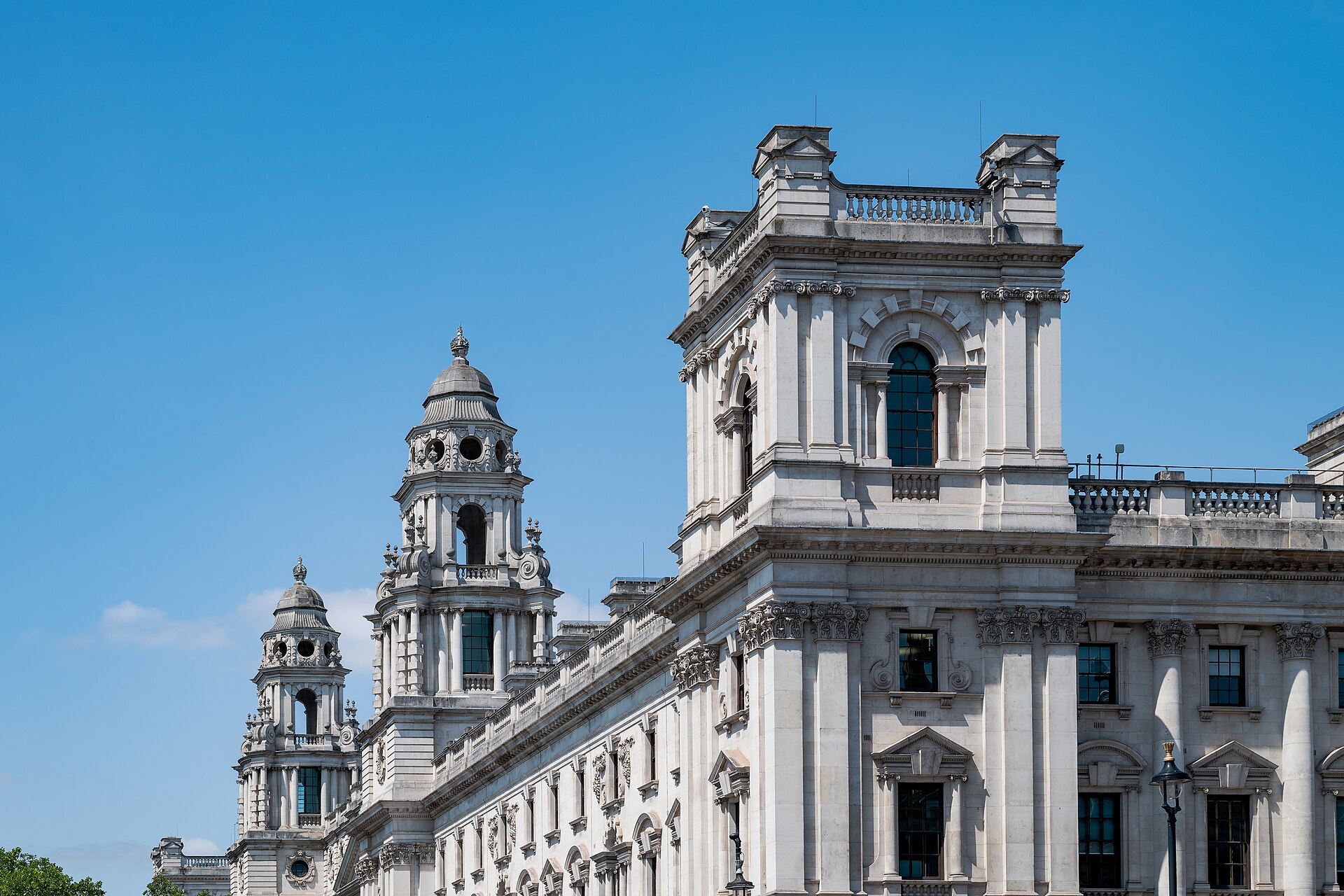
The short version: The Autumn Budget 2026, Chancellor John Healey’s first, delivered on Wednesday 28 October, left income tax, National Insurance and VAT rates alone. For Londoners, the changes you’ll notice most are a £100 payment for households in council tax bands A to D, the end of gas standing charges, a higher minimum wage from April, a tax break for pensioners living on the state pension, and lower business rates for many small shops, cafés and pubs.
Below is what was announced, when it starts, and who it affects, with the figures checked against at least two reports of the Budget. We’ve kept it to facts. If a measure affects your own finances, the official Budget documents on GOV.UK have the full detail.
At a glance: the Autumn Budget 2026 changes that matter in London
| What | The change | When |
|---|---|---|
| Energy payment | £100 for about 20 million households in council tax bands A to D, paid into bank accounts | This winter |
| Gas standing charges | Abolished, saving the average family about £45 a year | From 2027, or as soon as possible after |
| Electricity VAT cut | Extended through winter to July 2027, worth about £50 off the annual price cap | Until July 2027 |
| National Living Wage | Up 3.9% to £13.21 an hour (age 21 and over) | 1 April 2027 |
| 18 to 20 rate | Up 3.9% to £11.27 an hour | 1 April 2027 |
| State pension | Full new state pension up 3.9% to £13,036 a year | April 2027 |
| Pension Tax Allowance | Pensioners whose income is at or below the full new state pension pay no income tax on it | 6 April 2027 to 5 April 2030 |
| Cash ISA | Stays at £20,000 a year for everyone. The planned cut is scrapped | Now |
| Small business rates | Relief threshold for shops, hospitality and leisure up from £12,000 to £18,000 | Start date to be confirmed |
| Pubs, clubs and music venues | 20% cut in business rates | From April 2027 |
| Fuel duty | 5p cut extended to July 2027, planned rise scrapped | Until July 2027 |
Household bills: the £100 payment and gas standing charges
Who gets the £100 Household Energy Payment?
About 20 million households in council tax bands A to D will get £100, paid straight into bank accounts through the council tax system. The Treasury puts the cost at £2.6 billion. The payment is due “this winter”. No exact date has been given yet, and your borough will be the one paying it, so watch for a letter or email from your council.
Not everyone in London will qualify, because the payment is limited to bands A to D. If you’re not sure which band your home is in, you can look it up with the council tax band search on GOV.UK.
Gas standing charges are going
The daily standing charge on gas bills, which you pay even if you use no gas at all, is being abolished. Ofgem has been asked to remove it next year, or as soon as possible after that. The government expects the average family to save about £45 a year. For London flats with low gas use, the standing charge is often a large part of the bill, so the change could make a noticeable difference.
Electricity VAT cut extended
The cut to VAT on electricity, which covers about 29 million households, now runs through the winter to July 2027. The Chancellor said it takes around £50 off the annual price cap.
Pay: the minimum wage from April 2027
From 1 April 2027, the National Living Wage for workers aged 21 and over rises 3.9% to £13.21 an hour. For someone working full time, that’s about £910 a year more before tax. The rate for 18 to 20-year-olds goes up 3.9% to £11.27. About 2.3 million workers are affected across the UK.
The legal minimum is not the same as the London Living Wage, which is a voluntary rate set separately and paid by accredited employers. Many London employers pay above the legal minimum already.
Pensioners: the new Pension Tax Allowance
This was the measure most people searched for after the speech. From April 2027 the full new state pension rises 3.9% to £13,036 a year. Because the personal allowance stays frozen at £12,570, the full state pension would otherwise be slightly above the tax-free limit.
The new Pension Tax Allowance fixes that for people living mainly on the state pension. It runs from 6 April 2027 to 5 April 2030. If your total income is at or below the full new state pension, you pay no income tax on it. The allowance shrinks by £1 for every £3 of income above that level, so people with bigger private pensions get less help or none. For 2027 to 2028 the allowance is worth £93.
According to the figures reported on Budget day, about 290,000 pensioners will pay no income tax as a result and about 500,000 will pay less. The triple lock is kept for this parliament.
Savings and buying a home
Cash ISAs stay at £20,000
The planned cut to the cash ISA allowance, which would have brought it down to £12,000 for under-65s from April 2027, has been scrapped. Everyone can still save up to £20,000 a year in ISAs. A new “Starter ISA” for first-time investors is being developed with the industry.
Tax on savings interest goes up
From April 2027, the tax rates on savings interest and rental income rise by four percentage points, to 24% for basic-rate taxpayers, 44% for higher-rate and 49% for additional-rate. The personal savings allowance stays at £1,000 for basic-rate and £500 for higher-rate taxpayers, so most people with modest savings won’t be affected. The Chancellor said 88% of people will pay no more tax on their savings.
First-time buyers
A new First Time Buyer ISA replaces the Lifetime ISA, and the penalty for using a Lifetime ISA on a home above the £450,000 price cap is being removed. That cap has been a particular problem in London, where many first homes cost more. A separate scheme called “Your First Home”, offering a government-backed equity loan, is due to start next spring.
Shops, cafés, pubs and music venues
London’s high streets get some of the most practical help in this Budget:
- The small business rate relief threshold for retail, hospitality and leisure rises from £12,000 to £18,000. About 70,000 more businesses across England will pay no business rates at all.
- Other businesses in those sectors have their rates frozen in real terms for two years.
- Pubs, clubs and music venues get a 20% cut in business rates from April 2027.
- Around 2,000 small brewers and cider makers share £10 million in alcohol duty relief.
That last point matters in a city with dozens of small breweries. If you run a business and want to check your rateable value, the Valuation Office Agency’s search on GOV.UK shows it.
Housing and rough sleeping
The Social and Affordable Housing Programme gets an extra £1.5 billion, and councils keep access to cheaper borrowing for building homes. Land sold to social housing providers will be VAT-free. An extra £432 million goes to tackling rough sleeping, bringing the total to £874 million. How much of each pot reaches London will be set out later, so we’ll update this when City Hall and the boroughs publish their allocations.
Driving and travel
The 5p fuel duty cut, which was due to end on 31 December, now runs until July 2027, and the planned rise has been scrapped. The approved mileage rate for people who drive for work in their own car goes up from 25p to 35p a mile for the higher rate.
No new money specific to Transport for London was set out in the speech itself. TfL funding is usually agreed through separate settlements, and we’ll cover any London transport announcement when it’s confirmed.
What wasn’t in the Budget
- No change to income tax, National Insurance or VAT rates
- No rise in the £12,570 personal allowance, which stays frozen
- No change to capital gains tax rates
- No change to pension tax relief or tax-free cash
Frequently asked questions
When was the Budget 2026?
Wednesday 28 October 2026. It was John Healey’s first Budget as Chancellor. Our Budget day guide has the background.
Who gets the £100 energy payment?
Households in council tax bands A to D, about 20 million homes. It’s paid into bank accounts through the council tax system this winter.
What is the new minimum wage from April 2027?
£13.21 an hour for workers aged 21 and over, and £11.27 for 18 to 20-year-olds.
What is the Pension Tax Allowance?
A new allowance from 6 April 2027 to 5 April 2030 so that pensioners whose income is at or below the full new state pension (£13,036) pay no income tax on it. It tapers away above that level.
Is the cash ISA limit being cut?
No. The planned cut was scrapped, so the limit stays at £20,000 a year.
More on money in London
With winter on the way, see our guide to the Cold Weather Payment 2026, and our Black Friday 2026 guide for how to spot a real discount. For a cheaper month, try our list of free things to do in London.
Sources
- LBC: what was in the Budget
- PA via AOL: all the key things in the Budget
- interactive investor: Autumn Budget 2026 and your money
- Which?: new tax-free allowance for state pension recipients
Last checked: 31 October 2026. This article reports what was announced and is not financial advice. Some measures need legislation before they take effect, and dates can change. Image: Tilman2007, CC BY-SA 4.0, via Wikimedia Commons.